
Are hormones a touchy subject? Not if you’re considering the facts about what goes on each month in the menstrual cycle and in this post we’ll be taking a look at;
- What are FSH, Oestrogen, LH and Progesterone?
- We pull the trigger on the Pituitary Gland. Where, what and how important is it?
- Fertility, Pregnancy & Contraception, what are the choices?
The Role of Hormones
Hormones play a vital role in regulating human reproduction, especially in the female menstrual cycle. In females the primary sex hormone is oestrogen other sex hormones are progesterone, FSH or Follicle Stimulating Hormone, which causes maturation of an egg in the ovary and LH or Luteinising Hormone, which stimulates the release of an egg.
The menstrual cycle is the regular natural change that occurs in the female reproductive system (specifically the uterus and ovaries) that makes pregnancy possible. The cycle is required for the production of ovocytes, and for the preparation of the uterus for pregnancy.
The four female hormones interact in a complex manner to regulate the cycle. FSH is produced in the pituitary and acts on the ovaries, causing an egg to mature. It stimulates the ovaries to produce oestrogen. OESTROGEN is secreted in the ovaries and inhibits further production of FSH. It also stimulates release of an egg. PROGESTERONE is secreted by the empty follicle in the ovary (left by the egg). It maintains the lining of the uterus after ovulation has occurred. It also inhibits FSH and LH. Low progesterone levels allow FSH from the pituitary gland to stimulate the maturation of an egg. High levels of oestrogen stimulate a surge in LH from the pituitary gland. This triggers ovulation in the middle cycle
The Four Phases of the Menstrual Cycle
Phase 1: Menstrual Phase
This is what happens in your body: The first day of your period is the start of your menstrual cycle. The reason you might experience menstrual cramps during the first days of your periods is that the uterus lining breaks down and sheds. You begin menstruation. During menstruation, you may feel low on energy and have aches or pains.
Phase 2: Preparing for Ovulation (Follicular Phase)
This is what happens in your body: After the last day of your period, your body prepares for ovulation. Here a hormone called follicle-stimulating hormone (FSH) stimulates your ovaries to produce a matured egg. This maturing process produces oestrogen, which makes the lining of your uterus thicken with nutrients and blood, so it will be able to provide the egg with the support it needs in case of pregnancy. Your oestrogen levels start to rise and you might find yourself being in a better mood and having more energy. During this phase you might also notice more discharge (clear or white sticky mucus). This is normal.
Phase 3: Ovulation
This is what happens in your body: During ovulation, the matured egg is finally released into the fallopian tube and travels to the uterus. The egg can survive for 12-24 hours. During this time, if it comes in contact with sperm, it is fertilised. So keep in mind that during these days you are most likely to get pregnant (remember to use contraception). During this phase you might feel a boost of energy and inspiration. You might also feel an increase in your sex drive. Your body produces high levels of oestrogen.
Phase 4: Luteal Phase – End of Menstrual Cycle
This is what happens in your body: After the egg has traveled down the fallopian tube it gets to the womb. Your body starts to produce a new hormone called progesterone. This hormone will make sure your uterus keeps building up its lining. But if the egg is not fertilized, levels of oestrogen and progesterone drop. Your uterus does not need to maintain the nutritious lining it built up so it starts to break it down. The thick lining and blood that was built up during the menstrual cycle will leave your body. This is your menstruation and it means that a new cycle begins.
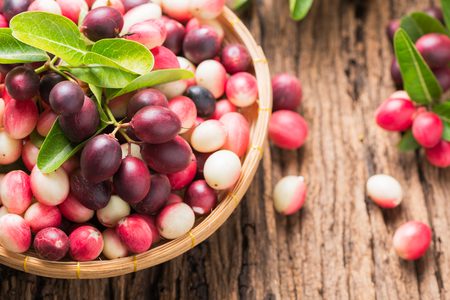
Carunda Fruit helps relieve sore throat and pituitary
Due to the rise in progesterone your stress levels can increase easily and you might feel moodier during this phase. You might also feel easily irritated, experience some sadness or feel anxious. Your breast might feel more sensitive or even sore
- Contraception: Non -hormonal
- Barrier Method. Male and Female, 82% most effective against STIs
- Intrauterine device 99% Very effective against pregnancy
- Abstinence calendar method 76% effective approved by most religions
- Surgical Method Vasectomy and female sterilisation 99% effective
- Contraception: Hormonal
- Oral Contraceptive 91% effective
- Hormone injection 95% effective
- Skin Patch 91% effective
Best wishes,

Steve Walsh
Nutrition & Health B.A. (Hons)
Liverpool Hope University
