

Supplements
Are You Getting the Essential Vitamins, Minerals & Nutrients You Need from Your Food?
Apparently, we're all different and our bodies requirements for nutrients can vary from person to person depending on many factors and requirements.
Whilst it would be great to think that we could get all the vitamins and minerals we need from the food we eat, for most of us this is highly unlikely due to a wide range of factors including our unique set of lifestyle choices (both current and historical), our body make up, individual food sensitivities, our personal health profile, our health history and the fact that, because of these things, we all process foods in our own unique way.
At NutritionUK we produce individual plans for you, working with you and the information you share, enables us to develop a plan with additional supplements within the recommended daily intakes (RDI) to compensate for the lack of vitamins in your diet, that we need to promote and preserve optimum health.
If you are on medication from your G.P. always check with them prior to taking supplements. Supplements may lessen the effect of your medication. Be careful on taking supplements while on medication. It is the responsibility of your G.P. to control your medication and if you alter the balance you may find the medication stops working.
The Top 8 Essential Vitamins and the Recommended Dietary Intake (RDI) You Need Daily
| Age | Thiamin (B1) |
Riboflavin (B2) |
Niacin (B3) |
Pyridoxine (B6) |
Cyanocobalamin (B12) |
Ascorbic Acid (Vit C) |
Betacarotene/ Retinol (Vit A) |
Cholecalciferol (Vit D) |
| 19-50 (M) | 1.0mg/day | 1.3mg/day | 6.6mg/day | 1.4mg/day | 1.5µg/day | 40mg/day | 700µg/day | 10µg/day |
| 50+ (M) | 0.9mg/day | 1.3mg/day | 6.6mg/day | 1.4mg/day | 1.5µg/day | 40mg/day | 700µg/day | 10µg/day |
| 19-50 (F) | 0.8mg/day | 1.1mg/day | 6.6mg/day | 1.2mg/day | 1.5µg/day | 40mg/day | 600µg/day | 10µg/day |
| 50+ (F) | 0.8mg/day | 1.1mg/day | 6.6mg/day | 1.2mg/day | 1.5µg/day | 40mg/day | 600µg/day | 10µg/day |
Vitamins you require on a daily basis, preferably in your food intake or by supplementation.
Source: Dept of Health. 41 Dietary Reference Values for food energy and Nutrients for the UK.
In this section, you'll find information about individual food supplements including what they are, what they do, the consequences of not having sufficient - or of having too much - and in what foods we may find them in.
If you're looking for information on a specific vitamin or mineral supplement, use the 'Search' box in the sidebar (on a desktop) or at the foot of the page on a mobile device.
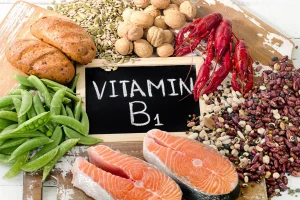
What is Vitamin B1 – Thiamine? Key facts: Thiamine is a water-based vitamin and is found naturally in many foods, Thiamine plays a critical role in the production of energy from food, especially carbohydrates. What Does Thiamine (Vitamin B1) Do? Contributes to your heart function, energy creation and the maintenance of your mental and emotional state. Thiamine helps the body make use of protein. Top Tip Studies have shown that people over 50 with higher…
Did you know milk is high in riboflavin (also known as vitamin B2)? 1 cup of 2% fat milk has 0.5mg per serving equivalent to 38% of your daily RNI (Reference Nutrient Intakes). Why do some milks come in plastic bottles and others come in cartons? The reason for this is light breaks down riboflavin easily so foods high in riboflavin are best stored in opaque containers. Your recommended daily intake for a man 50+…

Today we’re going to take a look at niacin, also known as vitamin B3. On the positive side, Niacin is readily available in your food but there are times when you may need supplements to assist in reaching your Recommended Nutrient Intake (RNI). We’re also going to talk about the dangers of a megadose (supplements). What is Vitamin B3 (Niacin) Vitamin B3 – Niacin is one of the B vitamins that’s made and used…
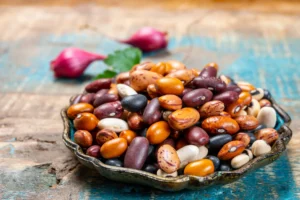
Vitamin B6 – Pyridoxine – is another of the B vitamins and Pyridoxine, pyridoxal, and pyridoxamine are all forms of vitamin B6. Let’s take a closer look. What is Vitamin B6 – Pyridoxine? Vitamin B6 is a water-soluble vitamin found naturally in many foods. B6 is used in producing a necessary coenzyme (Pyridoxal 5′ phosphate – PLP) in the body. It’s found in certain foods and is also made in the lab. The body…
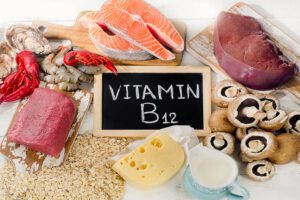
Although people have a rich amount of gut bacteria, present mainly in the large intestine, the human vitamin B12 uptake system operates in the small intestine. This means you don’t acquire it from your gut bacteria, you have to rely on it being present in the food you eat. What is Vitamin B12? Vitamin B12 is a member of the water-soluble B-vitamin family and, therefore, is an essential nutrient that must be acquired through diet.…
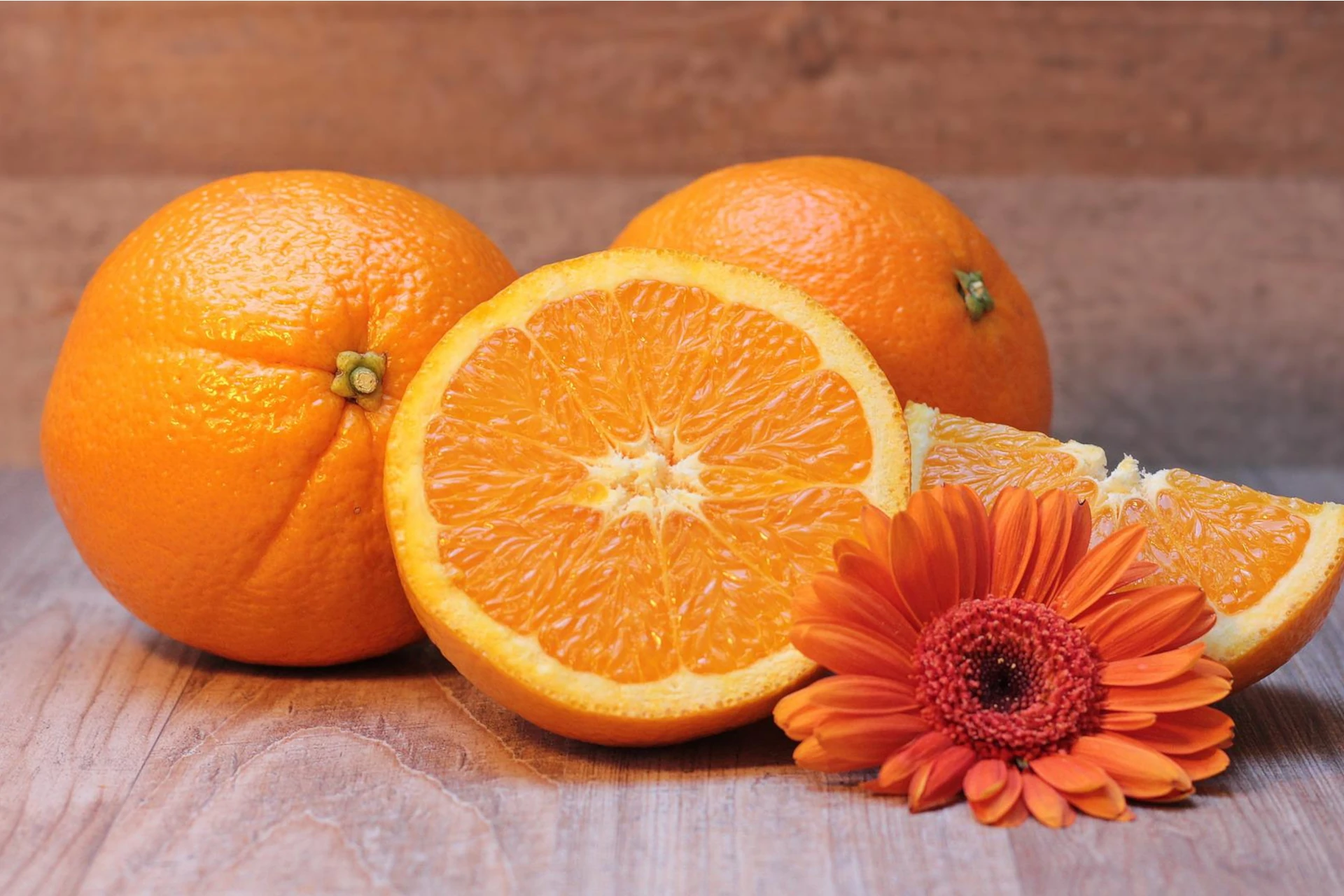
What is Vitamin C – Ascorbic Acid? Scurvy, an insidious disease, has plagued humanity for generations and this unknown sickness, which caused excruciating anguish and made each excursion a risk of death, was particularly feared by explorers and seafaring men. It wasn’t until 1930 that scientists discovered the “antiscorbutic” ingredient that was responsible for healing scurvy and gave it the name Vitamin C – Ascorbic Acid. Humans, like fruit-eating bats, guinea pigs, and a few…
What Are Vitamin A and Carotenoids and What Do They Do? Many foods naturally contain vitamin A, a fat-soluble vitamin. Normal vision, the immune system, reproduction, growth, and development all depend on this vitamin and your heart, lungs, and other organs function normally with its help. Yellow-orange, red fruits and vegetables are coloured thanks to a pigment called a carotenoid. Some carotenoids can be converted by your body into vitamin A. There are Two…

What is Vitamin D – Cholecalciferol? Vitamin D3 – Cholecalciferol is a fat-soluble vitamin (nutrient). Vitamin D2 – Ergocalciferol is obtained from yeast which is acceptable to vegans. The liver and kidneys can convert vitamin D, considered a pro-hormone produced in one region of the body and then governs the actions of other parts of the body. Cholecalciferol (animal origin) is a popular supplement type. Also known as the “sunshine” vitamin, vitamin D helps control…