
What is Vitamin C – Ascorbic Acid?
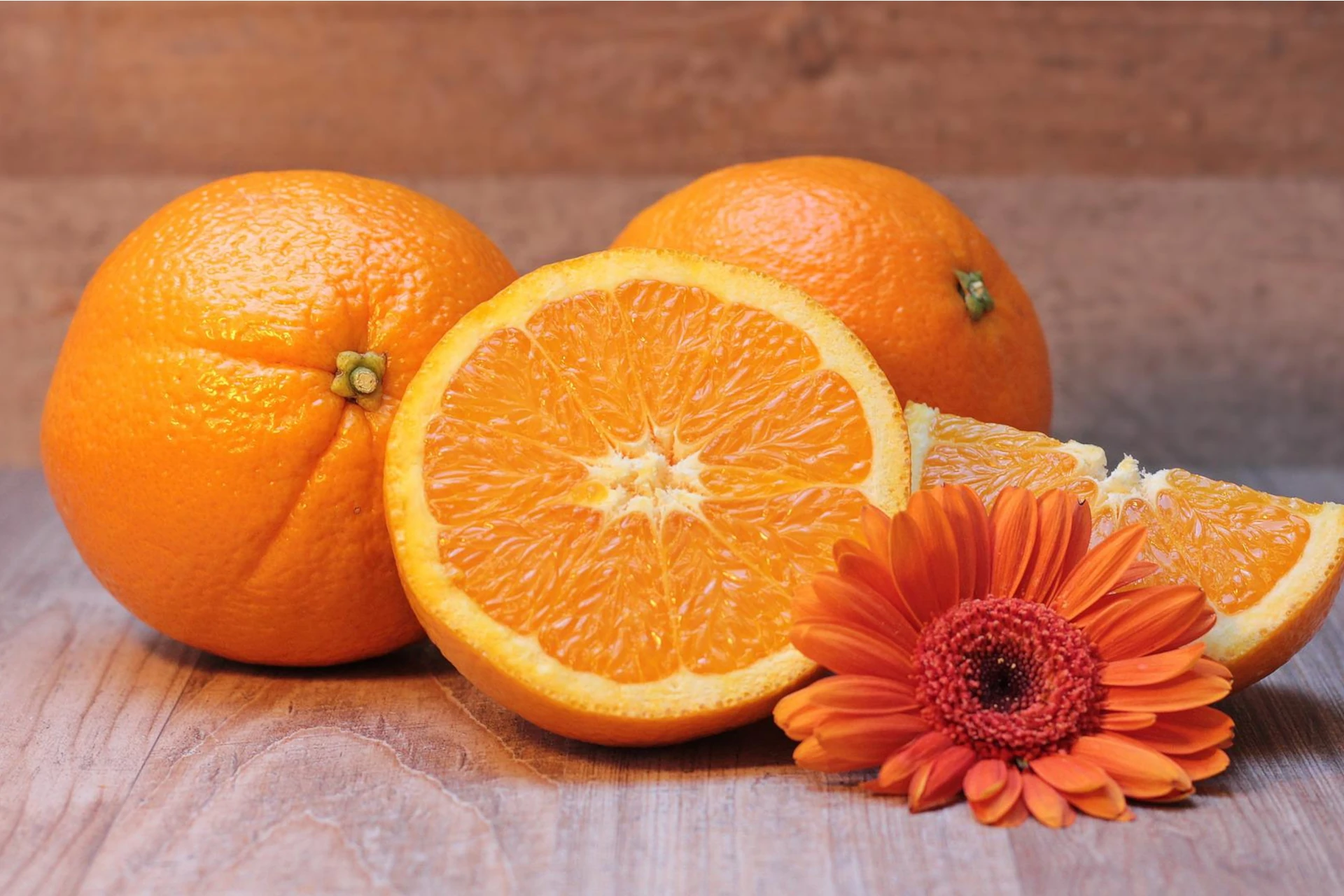 Scurvy, an insidious disease, has plagued humanity for generations and this unknown sickness, which caused excruciating anguish and made each excursion a risk of death, was particularly feared by explorers and seafaring men. It wasn’t until 1930 that scientists discovered the “antiscorbutic” ingredient that was responsible for healing scurvy and gave it the name Vitamin C – Ascorbic Acid.
Humans, like fruit-eating bats, guinea pigs, and a few other isolated species, can’t make their own vitamins. For some unknown reason, humans also appear to require far less vitamin C than most animals.
What Does Vitamin C Do?
Vitamin C’s an antioxidant. It operates as a powerful reducing agent, transferring electrons or hydrogen ions in a variety of processes. Like vitamin A and beta-carotene, vitamin C’s an antioxidant that protects cells from free radical damage. The correct amount of vitamin C strengthens your immune system, fights infections and turns food into energy.
Vitamin C’s required for the creation of collagen, a fibrous protein that aids in the reinforcement of connective tissue that keeps the body’s structures together. It’s the most prevalent protein in our bodies and the primary antagonist of skin, bone, tendons, cartilage, and teeth. It’s an antioxidant that protects against cancer and heart disease by detoxifying toxins. It also aids in the production of anti-stress hormones and the conversion of food into energy.
Vitamin C-rich meals can help prevent chronic diseases including heart disease, cancer, and macular degeneration. It also supports bone health. However, it’s unclear if the protective effects are due to vitamin C or fruit and vegetable consumption in general.
What Happens if You Don’t Have Enough?
Scurvy’s a well-known vitamin C deficiency disease where first symptoms appear after roughly a month on a vitamin C-deficient diet.
There’s a list of common symptoms linked with vitamin C deficiency. The two most prevalent are: frequent colds and frequent infections. Other symptoms include lack of energy, bleeding or tender gums, easy bruising, nosebleeds, slow wound healing, red pimples on your skin and obesity.
As the body’s ability to synthesise collagen declines, connective tissues begin to deteriorate, and gums and joints begin to bleed. Scurvy’s uncommon in modern countries, but it can occur in those who eat very little in terms of fruits and vegetables, follow tight diets, or abuse alcohol or drugs. Gum inflammation and exhaustion are the most prevalent symptoms.
Much previous study on vitamin C focused on the prevention of scurvy but it’s role in the prevention of chronic disease has also been hypothesised. The use of vitamin C for prevention of coronary heart disease, stroke, cancer, cataracts and lead toxicity and in the treatment of cardiovascular disease, hypertension, cancer, diabetes mellitus and the common cold require additional investigation.
Vitamin C levels in raw vegetables that have been distributed and stored at ambient or cold temperatures are actually lower than those that have been frozen right after harvest when nutritional concentrations are at their peak.
What Happens if You Have Too Much?
Fresh fruit and vegetables are the best sources of vitamin C because it’s very susceptible to heat and oxygen. This means, as soon as the fruit and vegetables have been harvested, their vitamin C content immediately begins to decline. After not too many days, the vitamin C content is negligible.
Regularly consuming more than 1000 mg/day may cause abdominal pain and/or diarrhoea in some people. When you ingest more than 6000mg, your intestines become less efficient at absorbing the vitamin. Absorption declines to about 20%, and most of the additional vitamin C is expelled in the urine.
What Are the Best Sources of Vitamin C – Ascorbic Acid?

Citrus and soft fruits are the richest sources of vitamin C and those that contain particularly high levels include guava, sweet red peppers, watercress, cabbage, broccoli, cauliflower, strawberries, pineapple, lemons, kiwi fruit raw, peas canned, melons raw, orange juice, grapefruit juice, lime juice, and canned tomatoes juice.
The Department of Health’s published vitamin C guidelines. For a protein, vitamin, or mineral, always utilise the Reference Nutrient Intake (RNI). This is a nutritional level that’s enough or more than enough for 97 percent of a group of people. The RNI for adults is 40 mg/day, additional 10 mg/day for pregnant women in their last trimester and 30 mg/day for lactation.
In the United Kingdom, the elderly may have low blood vitamin C levels, poor body reserves, and even overt clinical deficient symptoms. However, most deficient people have consistently low intakes, and there is no persuasive evidence that needs rise as people age.
Smokers: According to several recent research studies, smokers have a higher vitamin C turnover rate. Their intake would have to be increased by up to 80mg/day to keep their body pool and circulating levels near those of non-smokers.
Vitamin C’s available in supplement form in 500mg pills ideal for vegetarians. Vitamin C (500mg) and zinc complex, suitable for vegan and vegetarian diets, are available in high street shops. A 1000mg supplement is also available, which is acceptable for vegetarians and vegans.
Best wishes,

Steve Walsh
Nutrition & Health B.A. (Hons)
Liverpool Hope University
