
 What are the risks to you and your body from Antinutrients? In today’s post we’re going to be taking a detailed look at antinutrients and answering a few of the more common questions I get asked, not least of which is;
What are Antinutrients
Antinutrients are chemical compounds that impede the body’s ability to absorb important nutrients, lowering the nutritional value of many plant foods. Ironically, antinutrient compounds are found in some plant components. These compounds: Phytate (phytic acid), oxalates, glucosinolates, lectins, saponins and tannins can be found in a variety of the foods we eat.
There is a positive side to antinutrients and, currently, there’s ongoing research into the many plant compounds we call antinutrients and their effect on long-term human health. Certain foods we eat may still contain small amounts of antinutrients after we’ve processed our raw vegetables, here, the health benefits outweigh any negative effects and eating a variety of nutritious foods can help offset the antinutrient effect of minor losses in nutrient absorption.
What Do Antinutrients Do?
Phytate (phytic acid) is a mineral absorption inhibitor mainly found in seeds, grains, nuts, and legumes. Luckily, phytic acid can be degraded with a few simple methods and many mechanisms aid in the destruction of phytates before they’re consumed. Sprouting, cooking, baking, processing, soaking, fermenting and yeast leavening are all examples of this.
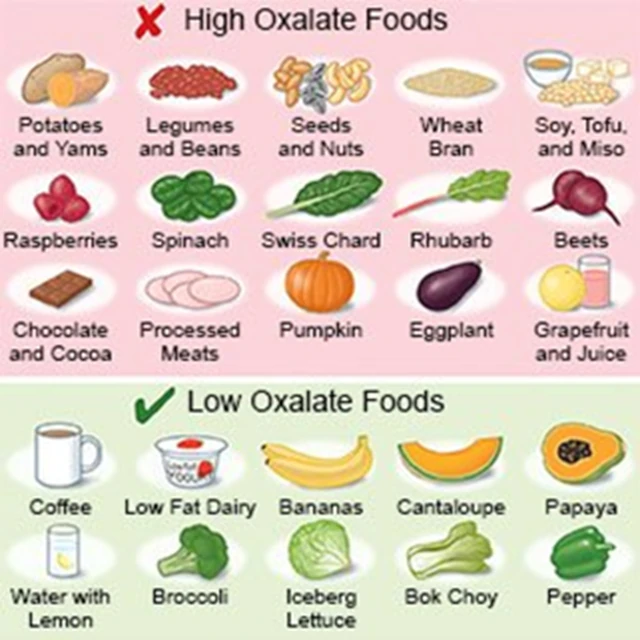 Calcium oxalate (insoluble oxalate). Many plants, such as fruits, spinach, leafy green vegetables, nuts, seeds and sweet potatoes all contain calcium in this form. Calcium linked to oxalate has a low absorption rate, and spinach includes an acid (oxalic acid) that prevents the iron and calcium in the leaf from being absorbed. Cooking, on the other hand, cuts down the oxalic acid concentration.
Oxalates, for example, can cause long-term problems. Calcium oxalates are responsible for 80% of kidney stones, reducing mineral absorption, increasing joint discomfort, and contributing to skin and eye problems.
Did you know:
Broccoli evolved in Europe from a wild cabbage plant. Reports of broccoli growing wild on the shores of the Mediterranean Sea are found in Latin texts since the time of the Roman Empire.
Glucosinolates: found mainly in cruciferous vegetables; including broccoli, brussels sprouts, cabbage and cauliflower. Glucosinolates are recognised for the interference and limiting uptake of iodine and flavonoids. Glucosinolates have the ability to chelate (bond to a metal atom at two or more points) such as iron and zinc, reducing their ability to absorb nutrients.
Lectins are found in most plant foods but higher amounts are present in grains and legumes, they can obstruct the absorption of calcium, iron and zinc.
Saponins have a bitter taste they can limit the digestion od protein, uptake of vitamins and minerals in the gut.
Tannins are antioxidant polyphenols found in your food and drinks, including tea, coffee and some fruits they impair the digestion enzyme activation, protein digestibility and iron absorption.
Are Antinutrients Safe to Eat?
Although most plant foods include antinutrients, they are safe to eat when cooked properly. In reality, some antinutrients have been demonstrated to provide health benefits, such as phytates, which have been shown to decrease cholesterol, slow digestion, and limit blood sugar spikes. Furthermore, most antinutrients can be eliminated or deactivated before consumption by soaking, sprouting, or boiling, and some traditional preparation methods, like fermenting, have been found to boost the nutritional content.
What Are the Best Sources of Antinutrients?
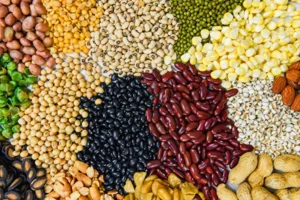
Antinutrients are most abundant in grains, beans, lentils, and nuts, but they can also be present in the leaves, roots, tubers, and fruits of some plants. Soybeans, whole grains (including wheat), chickpeas, beans, lentils, nuts, seeds, spinach, kale, broccoli, peppers, eggplants, tomatoes, chocolate, and tea are some of the most regularly consumed antinutrient-rich foods.
Best wishes,

Steve Walsh
Nutrition & Health B.A. (Hons)
Liverpool Hope University
