
What is Vitamin D – Cholecalciferol?
Vitamin D3 – Cholecalciferol is a fat-soluble vitamin (nutrient).
Vitamin D2 – Ergocalciferol is obtained from yeast which is acceptable to vegans.
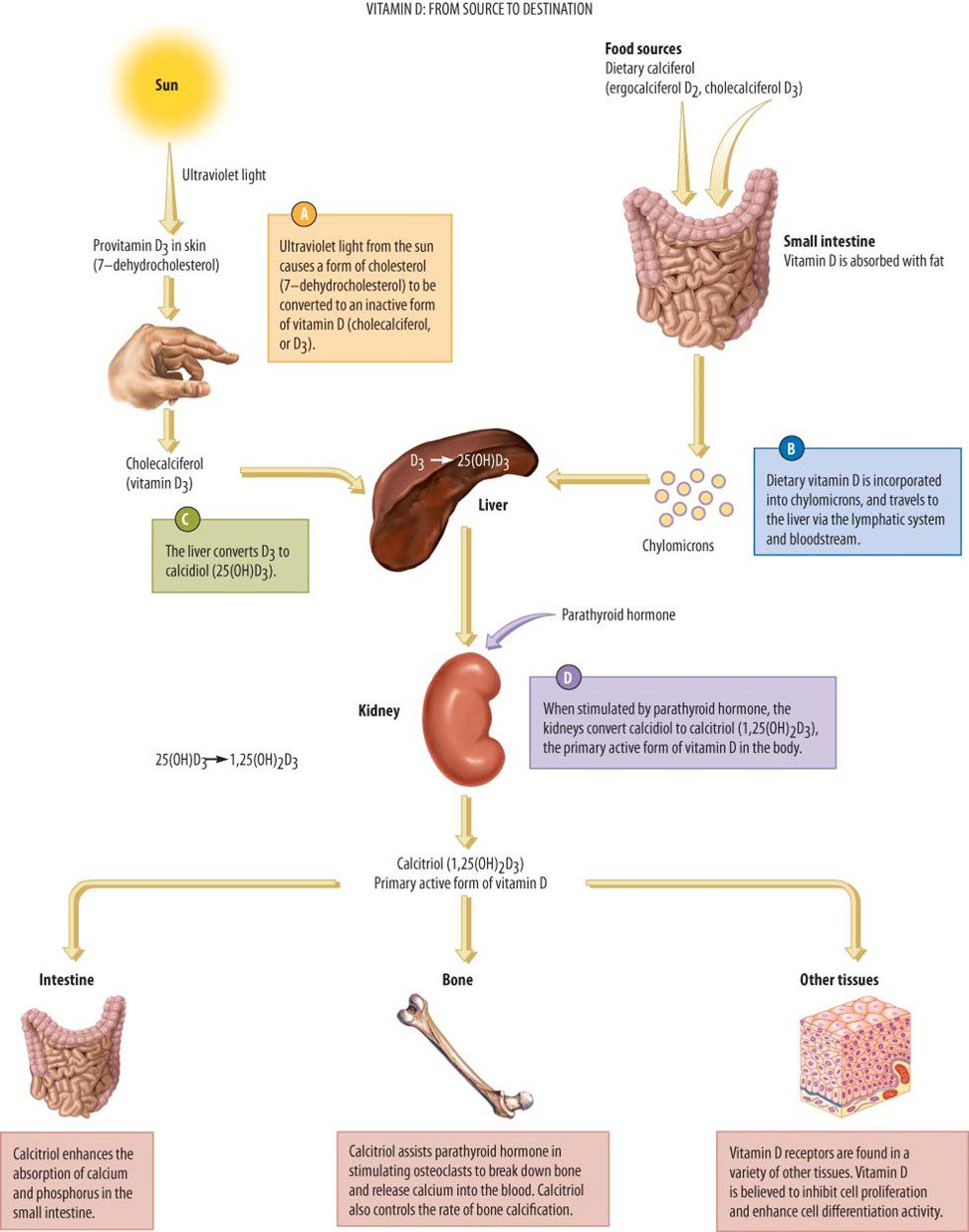
The liver and kidneys can convert vitamin D, considered a pro-hormone produced in one region of the body and then governs the actions of other parts of the body. Cholecalciferol (animal origin) is a popular supplement type.
Also known as the “sunshine” vitamin, vitamin D helps control calcium levels in the blood, which helps you maintain proper bone, tooth, and muscle health. It’s also beneficial to your immune system, and plays a significant role in infection and disease prevention. Additionally, it inhibits cancer cell development and has anti-inflammatory properties.
Vitamin D’s abundant in calcium supplements and also found in the fortification of breakfast cereals. In this role it has the potential to more than quadruple your consumption, bringing intake levels closer to daily recommended intakes.
What Does it Do?
Vitamin D helps calcium retention and aids in the maintenance of strong and healthy bones. It also regulates the immune system and immunological cells, which may assist to minimise the risk of certain malignancies, indirectly.
Vitamin D’s required by your immune system to fight against bacteria and viruses. The bottom line is, we’re more concerned with preventing fractures and death, as a result of them. The elderly are the people most at danger and multiple studies have indicated that vitamin D can help avoid falls.
What Happens if You Don’t Have Enough?
Approximately 1 billion people around the world, in all ages and ethnic groups, have inadequate levels in their blood. Experts believe that the increase in the incidence of obesity, a decrease in milk consumption and an increase in sun protection are major contributors to low levels in both children and adults. Other symptoms which are common with adults are joint discomfort or stiffness, muscular cramping twitching or spasms and arthritis or osteoporosis, weak bones, backache, tooth decay and hair loss are all indications of deficiency.
 Vitamin D insufficiency causes osteomalacia, a condition that causes bone pain and muscle weakness in teenagers and adults.
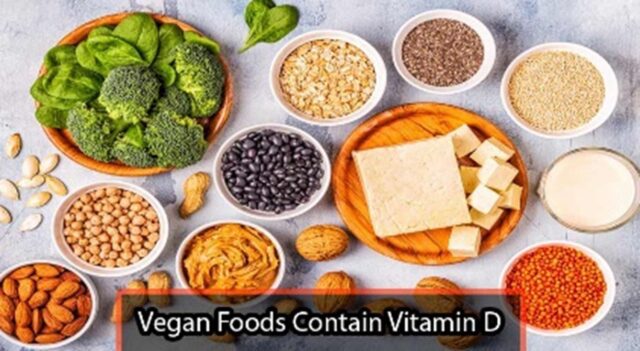
Vegans may struggle to get enough vitamin D, but the good news is that commercially marketed vitamin D3 pills produced from lichen, are now available.
What Happens if You Have Too Much?
Because Vitamin D’s produced in the skin and adequate sun exposure’s required, dietary supplementation may not be required in certain circumstances. Vitamin D’s protected by vitamins A, C, and E because your body regulates the amount produced by sun exposure and even fortified foods don’t contain large amounts.
Vitamin D toxicity’s usually caused by large doses of vitamin D supplements leading to hypercalcaemia, thirst, anorexia, soft tissue calcification and urinary calcium stones, rather than through diet or sun exposure. Characterised by a build-up of calcium in the blood, vitamin D toxicity can induce nausea, vomiting, weakness, and frequent urination. Toxic levels of 100µg (micrograms) or more can be dangerous.
What Are the Best Sources of Vitamin D – Cholecalciferol?
Vitamin D can be obtained from a variety of foods. Fatty fish such as herring, mackerel, salmon, pilchards, sardines, and tuna are good providers of omega-3 fatty acids, although they aren’t the mainstay of the diet. Cottage cheese, eggs, and fortified margarine are also good sources (which is required by law to contain it).
The Good News
You don’t need to sunbathe to get enough vitamin D. Most people in the UK can make enough by spending short periods of time in the sun, without sun protection. The amount of time you need in the sun to make enough vitamin D in the UK depends on your skin type and on the time of day/year.
Who May Not Be Getting Enough Vitamin D?
Since the start of the pandemic more people are spending more time indoors, which increases the risk of vitamin D deficiency. People who are at high-risk deficiency include:
- People with naturally brown or dark brown skin.
- People who spend very little time in the sun. For example those who are housebound working from home or stay indoors.
- People who usually wear clothes that cover up most of their skin when outdoors.
- People over the age of 65.
- Pregnant and breastfeeding women.
- Babies and children under the age of 4.
Because humans don’t produce enough vitamin D from sunshine between October and March, you might consider taking supplements. A daily dose of 10µg (micrograms) will be enough.
Best wishes,

Steve Walsh
Nutrition & Health B.A. (Hons)
Liverpool Hope University
